
Mark 16:7
There is a detail buried in the resurrection account that most people read right past. I missed it for years. But once I saw it, I could not unsee it. When the women arrive at the empty tomb on that first Easter morning, the angel meets them with the most important news in human history. Jesus has risen. He is not here. Then the angel gives them a specific assignment: go and tell the disciples. That part we know well. But there is a name tucked into those instructions that stops me every time I read it.
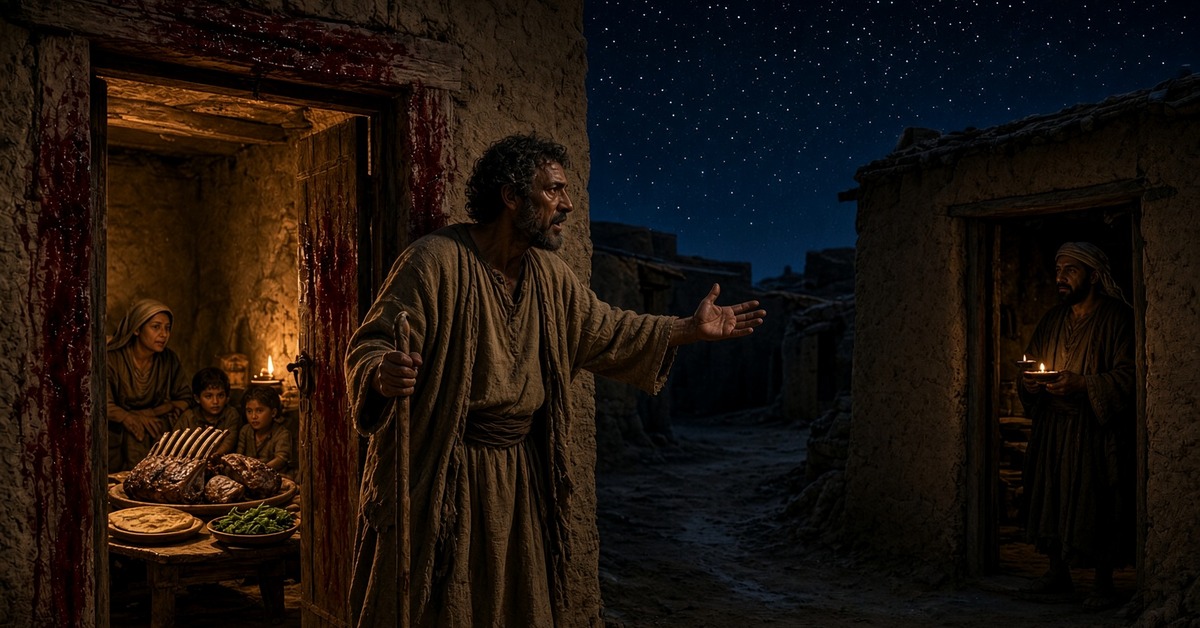
“Go your way, tell his disciples and Peter…” (Mark 16:7)
Tell the disciples. And Peter. Not just “tell everyone.” Not just “spread the word.” The angel calls out one name by name. Of all the followers of Jesus, only one person receives a personal, specific mention in the first announcement of the resurrection. And that person is Peter.
That is one of the most powerful details in all of Scripture. Let me explain why.
From the first moment we meet Simon Peter in the Gospels, we know he is different. Jesus looks at this rough fisherman from Bethsaida and says, I am going to call you Peter. The Rock. Peter is listed first among the twelve apostles. He steps out of the boat and walks on water. When Jesus asks “Who do you say that I am?” Peter does not hesitate: “Thou art the Christ, the Son of the living God” (Matthew 16:16). Jesus tells him that confession came by divine revelation, then says something staggering: I will give you the keys of the Kingdom of Heaven.
Peter walks with Jesus to the Mount of Transfiguration. He enters the room at Jairus’ house when Jesus raises the little girl from the dead. When Jesus goes deeper into the Garden of Gethsemane to pray before the cross, Peter is one of the three He takes with Him. Of all the disciples, Peter seems most destined for greatness.
And then everything falls apart.
When the soldiers come to arrest Jesus in the garden, Peter reaches for his sword. He swings at the high priest’s servant and cuts off the man’s ear. He is fearless. Loyal. Ready to die for the Master.
But something shifts on the walk from the garden to the High Priest’s palace. Fear sets in. Reality hits. They are really going to crucify Jesus. Now Peter stands outside in the cold, warming himself at a fire with strangers, and a servant girl looks at him and says, “Aren’t you one of his disciples?”
“I am not,” Peter says.
He moves away from the door, but the accusations follow him. Three times he is asked. Three times he denies. The third time, Peter begins to curse and swear: “I know not this man of whom ye speak” (Mark 14:71). The rooster crows. And Peter breaks.
I can only imagine where his mind went in the days that followed. He watched them lead Jesus through the streets. He heard the hammers at Golgotha. And when someone told him it was over, the accuser of the brethren went to work on Peter’s mind. He had made promises and broken every one of them. The man who received the keys to the Kingdom had handed them over to fear.
Early on the first day of the week, the women go to the tomb. The stone is already rolled away. An angel sits inside and tells them the greatest news ever spoken to human ears.
He is risen. He is not here.
And then: go tell the disciples. And Peter.
Think about where Peter is when those words come out of the angel’s mouth. He is somewhere in Jerusalem, drowning in guilt and shame. He is at the bottom. And Jesus, who has just walked out of death itself, comes out of the tomb with Peter’s name on His heart.
Make sure Peter knows I’m alive.
Tell the disciples. But do not forget Peter. Find him. Reach him. Make sure he gets the message. That is not a coincidence. That is not a casual detail. That is Jesus, the risen Savior, looking past the celebration of the greatest miracle in history and thinking about the one man who needed to hear the resurrection news more than anyone else. The man who failed most publicly. The man most convinced that he had ruined everything.
Tell Peter.
When the word reaches Peter, Luke tells us he ran to the tomb. He had to know. Was it really true? Did his failure have the final word? If Jesus were still in the grave, the answer would be yes. But Jesus walked out of that grave, and everything changed. There was still a future. There was still a calling. The keys Jesus put in his hand had not been permanently lost. You can read about another kind of moment that changes everything in Storms from Heaven and Storms from Hell.
The resurrection message is the “tell Peter” message. Whatever you have done, whatever you have denied, whatever promises you have broken. He is alive. Your past did not keep Him in the tomb. Your failure did not stop His purpose.
In all of Jesus’ appearances to the disciples after the resurrection, He never once brings up what Peter did. He never rehearses the failure. He does not show up to condemn. He shows up and asks one question.
“Peter, do you love me?”
That is the only thing the risen Savior wants to know.
Peter is all of us. We have all denied Him. We have all made promises we did not keep. We have all stood at the fire warming ourselves while Jesus was being led away, choosing comfort and self-protection over courage.
But the resurrection means the past does not get the last word. The stone is rolled away. The tomb is empty. And there is a message with your name on it. Jesus came out of that grave thinking about you. Not to condemn you. Not to rehearse what you did. Just to make sure you knew He was alive.
He is risen. And He said, “Tell Peter.”
Pastor Matthew Ball serves as lead pastor of Faith Apostolic Church in Carmel, Indiana. This post is adapted from his message “Tell Peter,” preached April 17, 2022.